
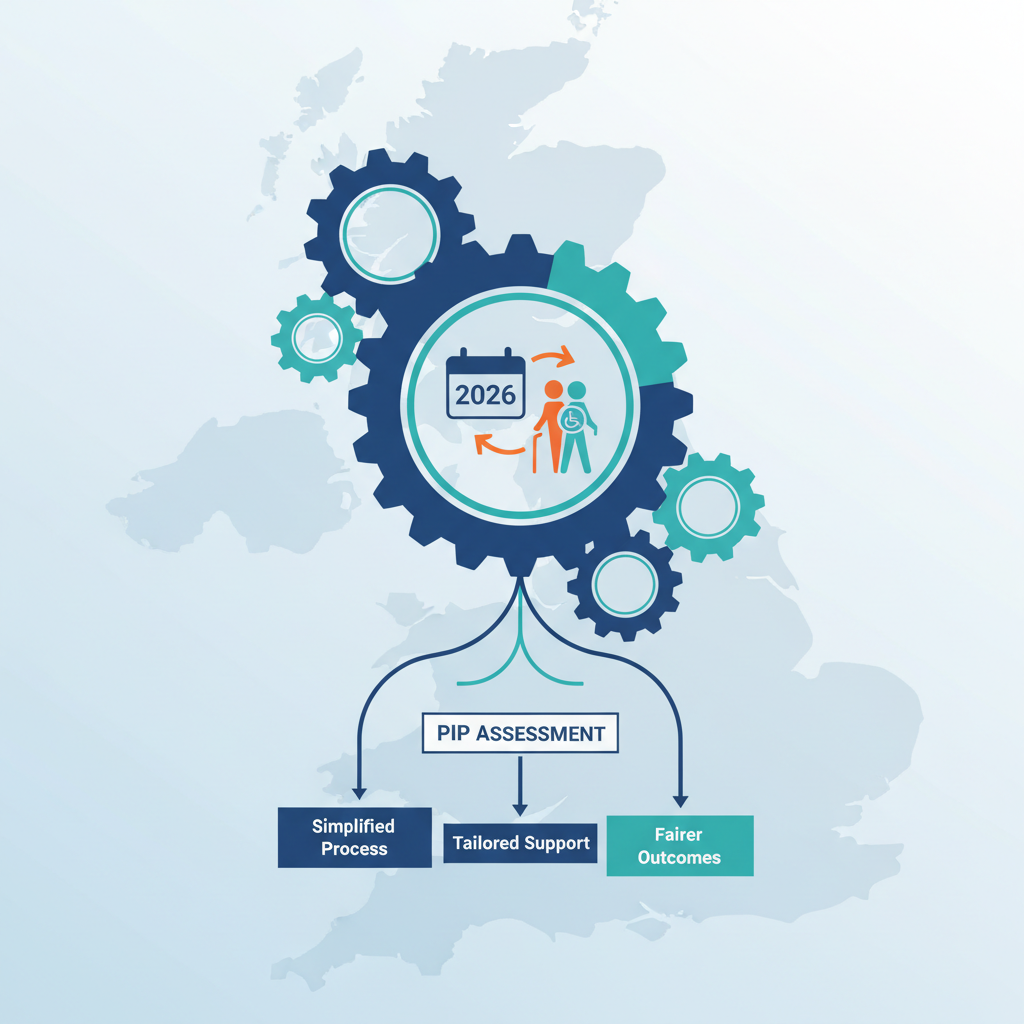
The Department for Work and Pensions (DWP) has announced significant changes to Personal Independence Payment (PIP) assessments, set to take effect from April 2026. These adjustments aim to streamline the assessment process and enhance support for those with disabilities.
Extended Review Periods
For claimants aged 25 and over, the time between PIP reviews will be extended. New claims will receive a minimum of three years before the first review, with the possibility of a five-year award at subsequent reviews if the claimant remains entitled. This change is intended to reduce the frequency of assessments and provide greater stability for claimants. ([benefitsandwork.co.uk](https://www.benefitsandwork.co.uk/news/fewer-pip-reviews%2C-more-wca-reassessments%2C-more-face-to-face?utm_source=openai))
Increased Face-to-Face Assessments
The proportion of face-to-face assessments is set to rise, with the DWP expecting the reported percentage of such assessments to increase towards Autumn 2025. This shift aims to improve the accuracy and fairness of assessments by allowing assessors to better understand the claimant's needs in person. ([benefitsandwork.co.uk](https://www.benefitsandwork.co.uk/news/greater-proportion-of-pip-face-to-face-assessments-planned?utm_source=openai))
Impact on Claimants
While these changes are designed to streamline the assessment process, it's important to note that the success rates for both reviews and new claims have seen a decline. In the quarter ending October 2025, the disallowance rate for new claims increased to 5.88%, up from 5.65% in the previous quarter. This suggests that more claimants are facing challenges in securing their benefits. ([benefitsandwork.co.uk](https://www.benefitsandwork.co.uk/news/pip-planned-review-numbers-double%2C-success-rates-fall?utm_source=openai))
Looking Ahead
As these changes roll out, claimants must stay informed and prepared. Understanding the new assessment procedures and timelines can help ensure a smoother experience. For personalised advice and support, consider reaching out to local disability advocacy groups or support organisations.
Remember, while policy changes can be challenging, staying connected with your community and accessing available resources can make a significant difference.